Amir Pournasserian
Serial entrepreneur, hands-on AI architect, open-source lover, always learning
I build AI and platform systems that have to keep working once they meet production, compliance and scale. Over twenty years of it, so far.
Right now I lead AI platform architecture for the guest-facing AI systems at Four Seasons Hotels and Resorts. Before that I founded and ran a banking software company, led the build of a real-time tracking system for Canada’s Department of National Defence, designed a travel booking platform, and started two IoT companies. I still like shipping software, not just architecting it, which is why FluentCMS, YeSvelte and mcp-my-site exist.

Explore
Writing Notes from my own research, for engineers building the same things: MCP servers, AI tooling for codebases, and the IoT and machine-learning work that came before.
- Open-source personal agents in 2026: OpenClaw, Hermes Agent and four more, compared Six open-source, always-on personal AI agents compared: OpenClaw, Hermes Agent, Nanobot, ZeroClaw, NanoClaw and IronClaw, and which fits what.
- Visually validating vector data for RAG How I inspect my website’s embeddings with projection maps, exact neighbors and chunk diagnostics, and where visual checks need retrieval tests.
- Two reference architectures for an MCP server: minimal cost and enterprise scale Two reference architectures for the same MCP search service: a small Azure deployment and an Azure-only enterprise proposal, with diagrams and costs.
- Decision models against small LLMs: Jev, Kev, Laya and Mammoth-1 on 6,662 decisions Four decision models and five small LLMs on the same 6,662 decisions: accuracy, calibration, format failures, latency and cost, every call published.
- Validating a vector database built for RAG: four layers of checks, with the code to run them How to check a RAG vector index on its own, in four layers from the chunks to the answer, with runnable Python and 25 evaluation tools compared.
- RAG, CAG, KAG and the search beneath them: which fits which problem in 2026 RAG, CAG, KAG and the search beneath them, from BM25 to graphs, compared on the published evidence, with a guide to which fits which problem.
- How MCP extensions work MCP extensions are optional additions, off by default: which exist in October 2026, how both sides negotiate them per request, and how a server falls back.
- What to require from an MCP server vendor: a buyer’s checklist The questions to put to an MCP server vendor before you sign, drawn from the 2026-07-28 specification, and what a good answer to each looks like.
Ideas Startup and open-source ideas I keep coming back to, written up for anyone who wants to run with them.
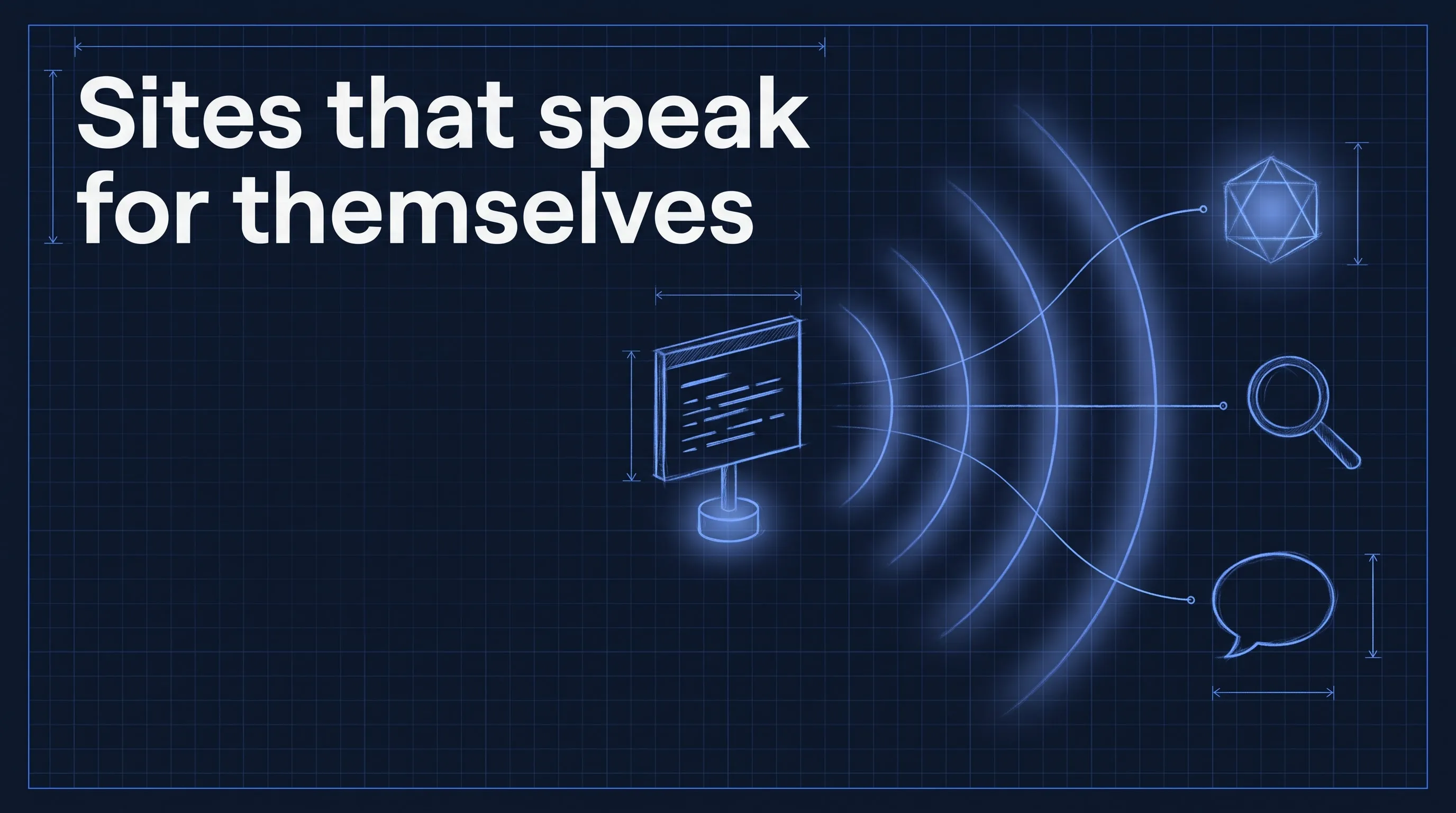
- Sites that speak for themselves: an agent endpoint for every small website An idea for an open-source tool that lets a small website answer AI agents, its search box and a chat window from one index built when it is published.
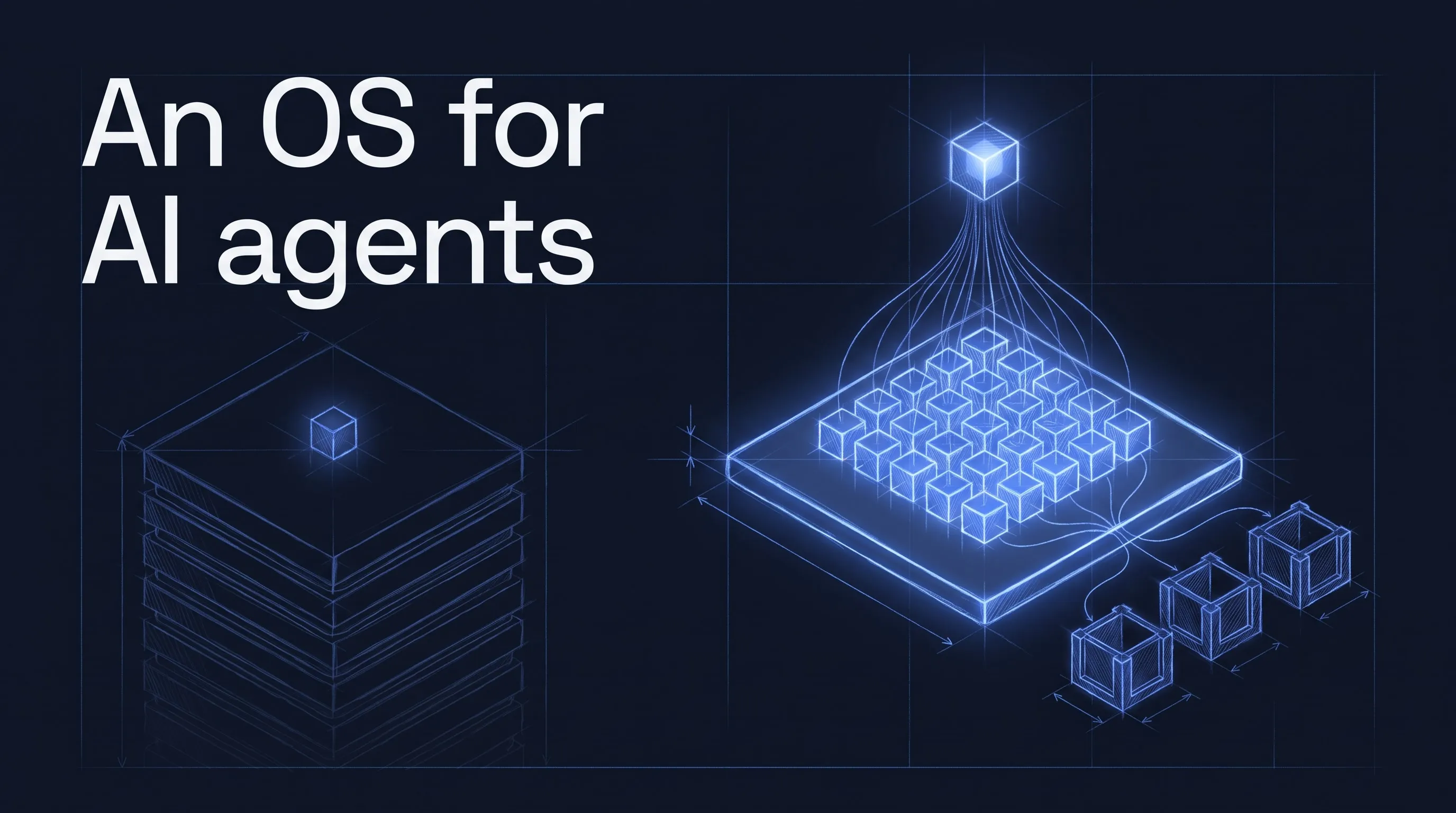
- An OS for AI agents: not the one on your laptop An idea for running a fleet of personal AI agents: not an operating system per agent, but one small host that holds what each agent may call, spend and do.
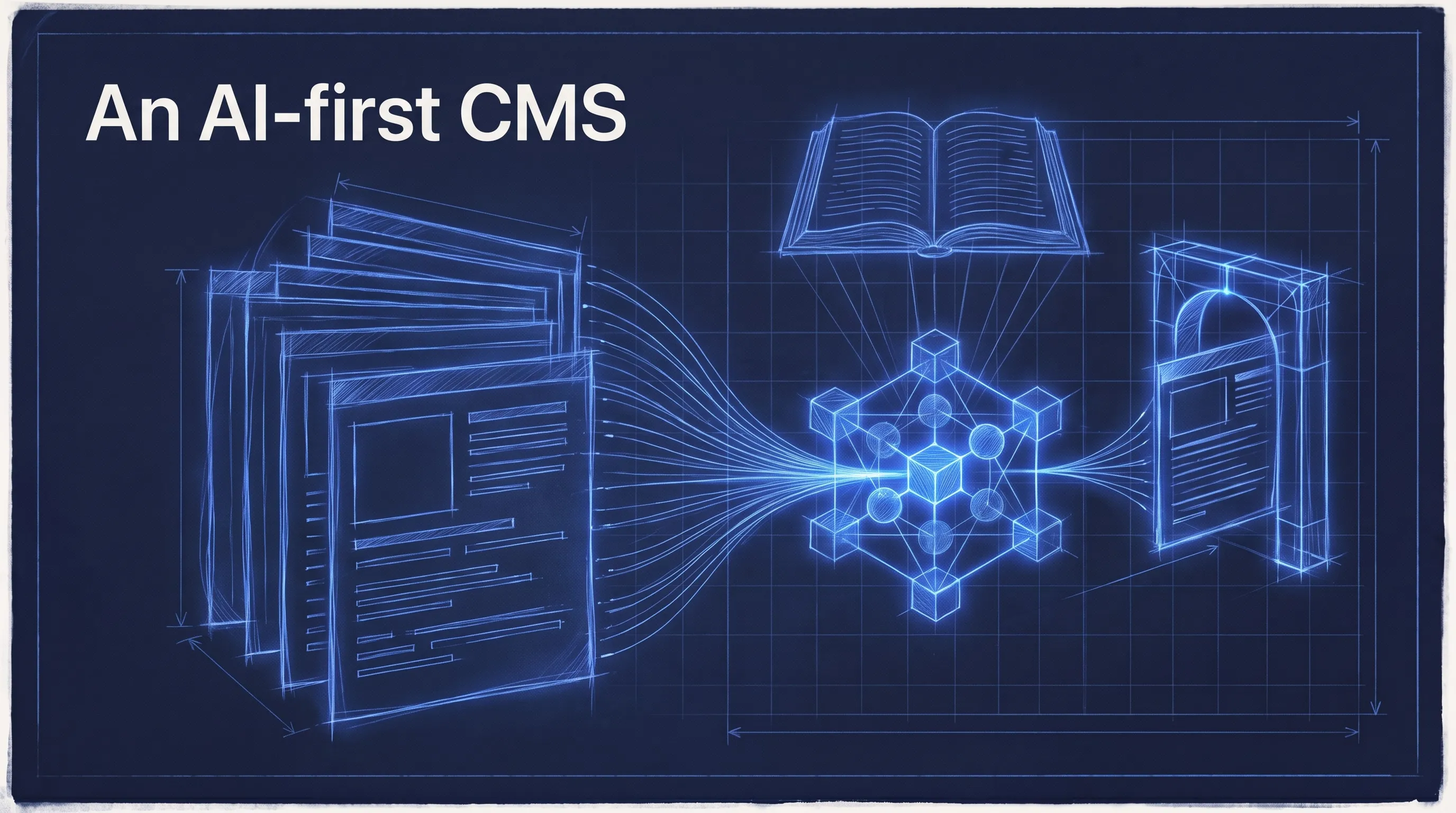
- An AI-first CMS: AI operates, people govern An idea for a CMS built the other way round: the AI does the work by default, and people write the rules and review what matters before it goes live.
- MCP is in its Yahoo era An idea for the ranking era of MCP: one service an agent asks “who can do this?” and gets the best servers back, and why the time to build it is now.